
Introduction
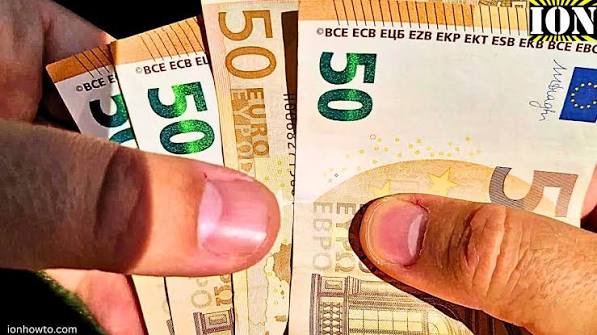
Knowing how to spot a fake 50 euro note is important when handling cash, shopping, traveling, or running a business. Counterfeit banknotes can sometimes look convincing at first glance, but genuine euro notes contain several security features designed to make them easier to authenticate.
The good news is that you do not need expensive equipment or specialist knowledge to perform basic checks. The European Central Bank (ECB) recommends the simple Feel, Look and Tilt method to help people recognize genuine euro banknotes.
In this guide, you will learn seven practical ways to examine a €50 note, recognize important security features, and identify potential warning signs.https://moneythriving.com/
1. Feel the Banknote Paper and Raised Printing
A genuine €50 banknote has a distinctive feel because it is printed on special cotton-based paper.
Run your fingers over the front of the note. You should notice:
- Firm, crisp banknote paper.
- Raised printing on the main image and lettering.
- Short raised lines along the left and right edges.
- A noticeable textured feel around the large €50 numeral.
A suspicious note may feel unusually smooth, waxy, soft, or different from a genuine note.
2. Check the Watermark Against Light
Hold the banknote against a light source to examine its watermark.
On the Europa series €50 note, you should see:
- A portrait of Europa, a figure from Greek mythology.
- The number 50.
- An architectural image.
The watermark should appear naturally integrated into the paper rather than looking like a printed image placed on the surface.
3. Examine the Security Thread
Another important feature is the embedded security thread.
Hold the banknote against the light and look for a dark vertical line running through the middle third of the note. The thread contains the € symbol and the number 50.
The markings should be visible within the paper rather than appearing as an ordinary line printed on its surface.
4. Inspect the Hologram
The Europa series €50 banknote contains a silver hologram stripe on its front side.
When you tilt the note, the hologram displays changing visual elements, including:
- The value numeral 50.
- The main architectural image.
- The euro symbol.
- The portrait of Europa in the transparent portrait window when viewed against the light.
A flat, static image without the expected visual changes may be a warning sign.
5. Look for the Emerald Number
One of the most recognizable security features is the emerald number on the front of the Europa series €50 note.
Tilt the banknote slowly. The number should:
- Change colour from emerald green to deep blue.
- Display a moving light effect.
- Show a band of light moving up and down.
This optical effect is designed to help people distinguish genuine banknotes from counterfeits.
6. Check the Microprinting
Genuine euro banknotes contain tiny printed lettering in selected areas.
Use a magnifying glass to inspect the microprinting. The letters should appear sharp and clearly defined rather than blurred or smudged.
This is an additional check and should be considered alongside the main security features.
7. Compare the Note With a Genuine Banknote
If something seems unusual, compare the suspicious €50 note with another banknote that you know is genuine.
Pay attention to:
- Paper texture.
- Print quality.
- Colour and design details.
- Watermark appearance.
- Hologram effects.
- Emerald number behaviour.
Never rely on one security feature alone. Examine several features before reaching a conclusion.
Genuine vs. Potentially Fake 50 Euro Notes
| Security feature | Genuine Europa €50 note | Potential warning sign |
|---|---|---|
| Paper | Firm, distinctive feel | Unusual paper texture |
| Raised print | Noticeable tactile relief | Completely flat printing |
| Watermark | Visible against light | Missing or poorly defined |
| Security thread | Embedded dark line | Ordinary surface printing |
| Hologram | Changes with viewing angle | Flat, static appearance |
| Emerald number | Green-to-blue colour change | No expected optical effect |
| Microprinting | Sharp under magnification | Blurred lettering |
These warning signs are indicators, not definitive proof of counterfeiting.
What Should You Do If You Receive a Suspected Fake €50 Note?
If you believe a banknote may be counterfeit:
- Do not attempt to spend or pass it to someone else.
- Avoid damaging or altering the note.
- Compare it with a genuine €50 banknote.
- Contact your bank, local police, or the relevant national authority for guidance.
- Follow the official procedure for submitting the suspicious banknote.
Remember that suspected counterfeit banknotes are generally not reimbursed simply because someone received them unknowingly.
Frequently Asked Questions
How can I quickly identify a fake 50 euro note?
Use the Feel, Look and Tilt method. Check the paper texture, raised printing, watermark, security thread, hologram, and colour-changing emerald number.
What colour does the genuine €50 emerald number change to?
On the Europa series banknote, the emerald number changes from emerald green to deep blue as the note is tilted.
Does a genuine 50 euro note have a watermark?
Yes. The Europa series €50 banknote features a portrait watermark showing Europa, the number 50, and an architectural image.
Can fake 50 euro notes have holograms?
Some counterfeits may imitate holographic features. Therefore, a hologram alone does not prove authenticity. Always check several security features.
What should I do if I accidentally receive counterfeit money?
Do not spend or transfer the suspected counterfeit note. Contact your bank or the appropriate national authority for instructions.
Conclusion
Learning how to spot a fake 50 euro note can help protect you from counterfeit currency and unnecessary financial losses. The most effective approach is to examine the banknote using the ECB’s Feel, Look and Tilt method.
Pay particular attention to raised printing, the portrait watermark, security thread, hologram, and emerald number. Always compare multiple security features rather than relying on appearance alone.
For additional protection, consult official European Central Bank resources and your national bank’s counterfeit detection guidance before accepting a suspicious banknote.
