Counterfeit money is a serious financial concern for individuals, retailers, and businesses that handle cash. Online searches for “how much does counterfeit money cost” often raise questions about fake banknotes, counterfeit currency scams, and the risks associated with suspicious cash transactions. However, the advertised price of counterfeit money can be misleading, and buying or using fake currency can lead to significant financial and legal consequences.
In this guide, we’ll explain what affects counterfeit currency scams, why suspicious offers should be treated cautiously, and how to protect yourself from financial fraud.
What Determines the Cost of Counterfeit Money?
There is no reliable, legitimate retail price for counterfeit currency. Prices quoted on suspicious websites or social media may be fabricated, designed to attract buyers, or used to promote fraudulent schemes.
Rather than focusing on advertised prices, consumers should understand the potential costs associated with counterfeit money. These may include lost payments, stolen personal information, fraudulent transactions, and legal expenses.
A deal that appears inexpensive can quickly become an expensive mistake if the seller disappears or the buyer receives worthless imitation notes.
Why Are Counterfeit Money Offers Risky?
Online counterfeit money offers may appear convincing, but there are several warning signs consumers should recognize.
1. Fake Sellers and Advance-Payment Scams
Fraudsters may request upfront payments while promising to deliver counterfeit banknotes. After receiving the money, they might disappear, block the buyer, or demand additional payments.
2. Identity Theft and Financial Fraud
Some suspicious websites request personal details, banking information, or cryptocurrency payments. Sharing this information can expose individuals to identity theft, unauthorized transactions, and further scams.
3. Legal Consequences
Producing, knowingly purchasing for unlawful use, distributing, or passing counterfeit currency can result in serious criminal penalties. In the United States, federal law provides for substantial fines and imprisonment for specified counterfeiting offenses.
Understanding these risks is essential before engaging with any offer involving fake money.
How Can You Recognize Counterfeit Currency?
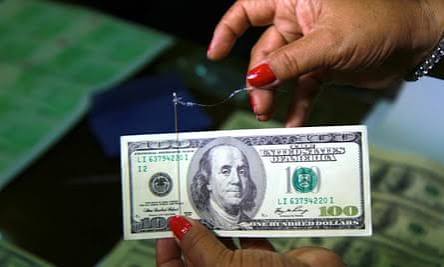
Learning to identify genuine banknotes is a practical way to protect yourself from financial loss. Authentic US currency includes security features such as watermarks, embedded security threads, distinctive printing, and denomination-specific visual elements.
For example, the current-design US $100 bill features a blue three-dimensional security ribbon and a color-shifting bell in an inkwell. Checking multiple security features is more reliable than judging a banknote by appearance alone.
The US Currency Education Program provides official information about genuine banknotes and their security features.
What Should You Do If You Receive Fake Money?
If you suspect that a banknote is counterfeit, avoid spending it or passing it to someone else. Keep it separate from genuine currency, make a note of the circumstances in which you received it, and contact your bank or the appropriate local authorities for instructions.
In the United States, suspected counterfeit currency can be reported through the appropriate law enforcement channels, including the US Secret Service. Outside the United States, contact local law enforcement or the relevant financial authority.
Remember that counterfeit notes generally cannot be exchanged for genuine currency, so accepting one may result in a direct financial loss.
How to Protect Your Money From Counterfeit Scams
Whether you are a consumer, business owner, or cashier, a few precautions can help reduce your risk:
- Verify banknotes using official security guidance.
- Be cautious of unrealistic online offers and requests for advance payments.
- Never share sensitive financial information with unverified sellers.
- Train employees to recognize suspicious currency.
- Report suspected counterfeit notes through appropriate official channels.
Conclusion
So, how much does counterfeit money cost? There is no trustworthy legitimate price to rely on, and advertised offers may conceal scams, financial losses, or criminal risks.
The smarter approach is to understand counterfeit currency, recognize common fraud tactics, and learn how to verify genuine banknotes. Staying informed can help protect your finances, prevent costly mistakes, and give you greater confidence when handling cash.
